
India, the most populous country on earth is also the world’s fifth-largest economy. It is projected that by 2028, it shall become the third largest economy beating the likes of Japan and Germany. It is currently the fastest growing major economy in the world, as stated by various major Institutions like the International Monetary Fund (IMF) and World Bank. India is undergoing rapid urbanization and with industrial growth comes a silent crisis: WASTE. India produces close to 62 million tonnes of solid waste each day out of which, only a small percentage is actually treated or recycled. Landfills are overflowing, plastic pollution is choking rivers, and rising carbon emissions threaten to undo decades of progress.
India, today stands at a pivotal crossroads, having to choose between its much needed economic growth and ecological survival . As the most populous developing nation in the world, India faces its own set of challenges- its energy demands are humongous, rapid industrialisation means intensive deforestation and generation of industrial waste, and increasing urban expansion also paves the way for concentrated anthropogenic wastes. Despite all these hurdles, the need for economic development is undeniable in order to ensure, better future for the citizens of a country which has approximately 194.6 million (19.5 crore) undernourished people, the highest number globally ( Food and Agriculture Organization’s State of Food Security and Nutrition Report, 2024). Keeping this in mind, economic progress and ecological conservation ought to go hand in hand. Lead by such inspiring vision to develop technology, which doesn’t harm the environment, on the contrary- even helps it, are some Indian environment friendly (green)start-ups. They have figured out exemplary ways to generate wealth out of waste :-
THE BANDICOOT ROBOT
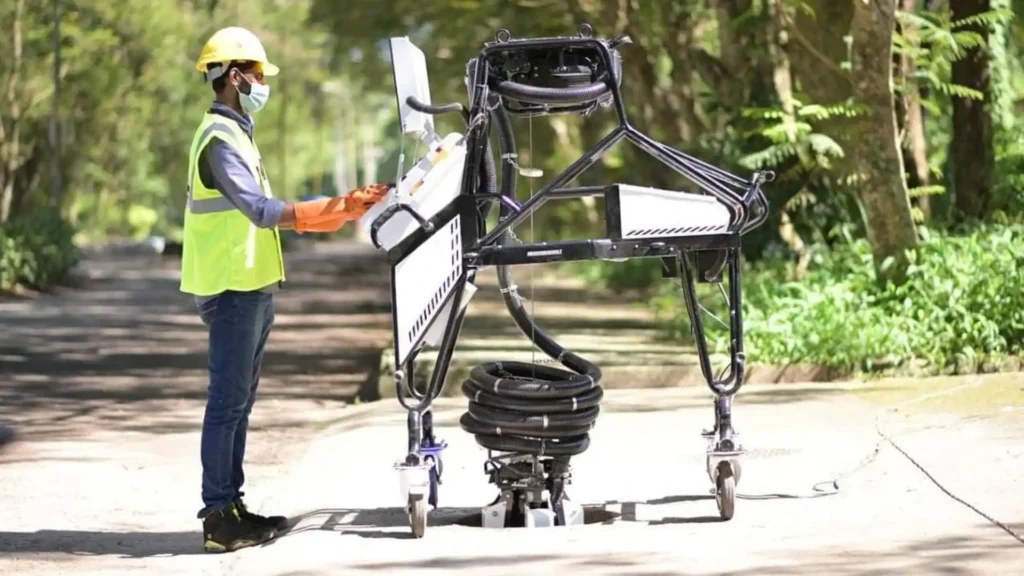
Made under the ‘Swachh Bharat’ and ‘Make in India’ initiative, the Bandicoot Robot is the world’s first manhole cleaning robot. It was developed by an Indian company- Genrobotics Innovations. This brilliant innovation is aimed at completely eradicating the dangerous and inhumane practice of manual scavenging in India. The robot uses its highly sophisticated arms, sensors, and cameras to scoop out waste and unclog drains while being operated remotely. It not only ensures worker safety but also promotes dignity, hygiene, and efficiency in sanitation.
Aloe E-Cell
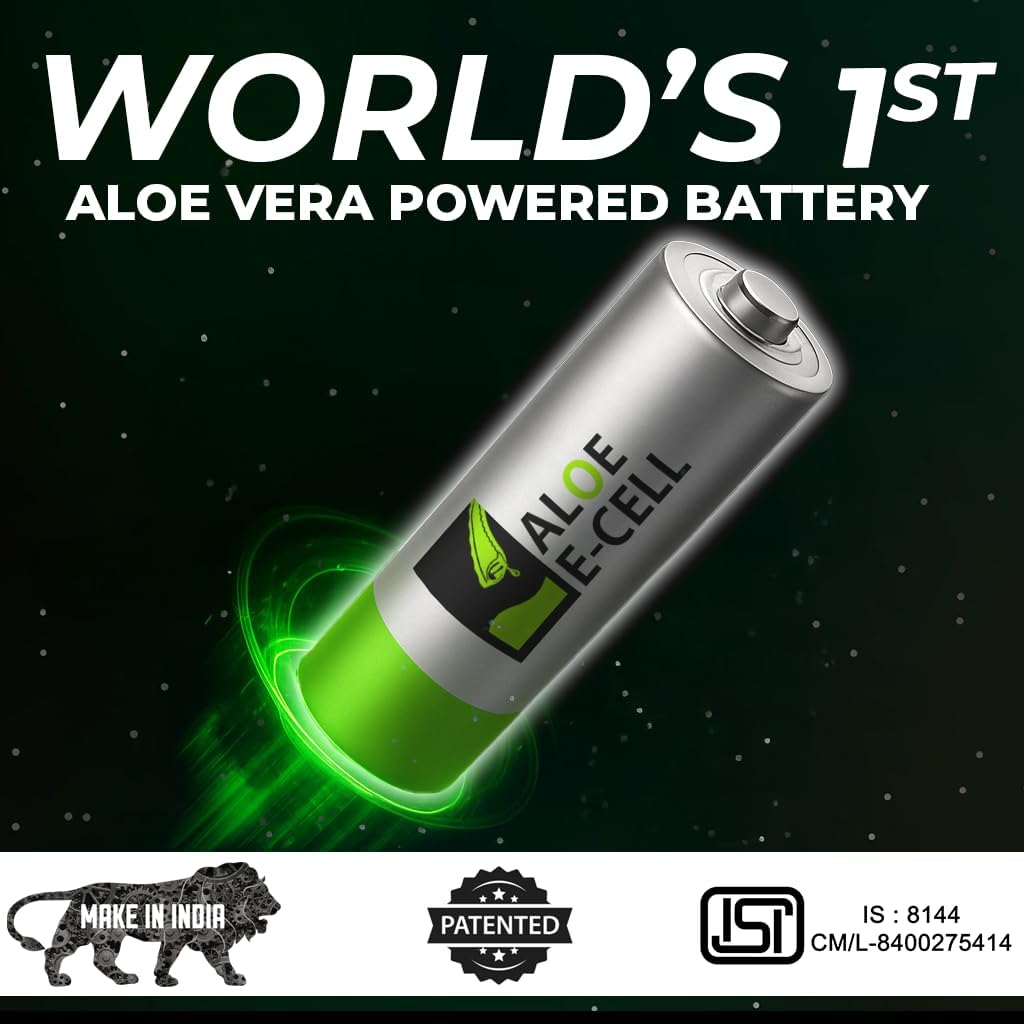
With how fast technology seems to be evolving, it is rather surprising to see that there hasn’t been any major changes in the regular household batteries for over a century. They contain harmful chemicals like Lead, mercury and Ammonium Chloride, which then become the source of air, land and water pollution through the landfills they’re dumped into. Bothered by this, Nimisha Verma and Naveen Suman decided to tackle this problem. They started their own start-up:- Aloe E-Cell Pvt. Ltd., where they manufactured 1.5V AA aloe vera e cells, which are batteries powered by aloe vera extract. Having been developed as an eco-friendly solution to the traditional dry cell batteries, they are meant to power low-power consuming devices such as remotes and toys and lowering the risk of hazardous waste and carbon footprints, with a higher 1.5x longer life cycle at a lower price.
Key Features:
Environmentally friendly and bio-degradable: their AA and AAA-sized primary (non-rechargeable) batteries contain the herbal electrolyte and do not contain harmful heavy metals and acids.
Performance & cost: These batteries are approximately 10% cheaper to produce and ~1.5× more durable than conventional batteries
Circular economy approach: Aloe E-Cell has created a full ecosystem – make, track, recycle-including a battery collection network and recycling spent batteries into micronutrient-rich fertilizers for agricultural use.
Phool. CO
Each morning, India’s temples and mosques overflow with offerings of different flowers. By evening, much of that beauty finds its way into rivers and streams, slowly choking them with chemical-laden waste. Phool. co, founded in Kanpur, saw in those withered flowers a source of raw material to process them into something useful.
The company then goes on to gather thrown out flowers and turns them into incense sticks, compost, and a special vegan alternative of leather called Fleather. This kind of innovation does not only prevent water pollution, but also empowers women of the marginalized groups, equipping them with dignified livelihoods.

Start-ups such as these act as trailblazing institutions in establishing a healthy discord between progress and sustainability. The government and citizens would do well to applaud and incentivise such Green eco-friendly Startups. It is about time that each and everyone of us do our bit towards fighting against Climate Change and preserving the overall ecological balance.